Xinna: A Sweet Sans Serif for Creative Projects
There I was, staring at a blank brand board, trying to find the right visual voice for a new artisanal café. The client wanted something warm, approachable, and a little whimsical. After testing several fonts, Xinna caught my eye—not just for its clean lines, but for the subtle personality it brought to the table.
What Is Xinna?
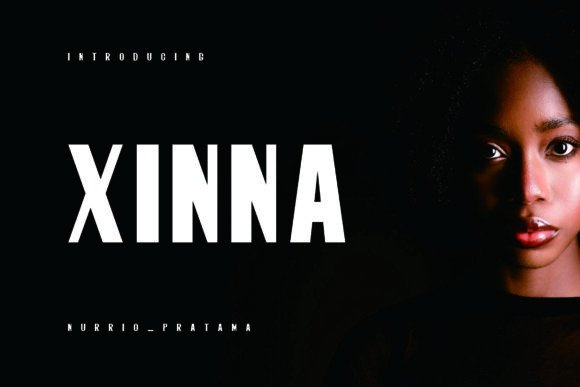
Xinna is a sweet and friendly sans serif font that blends modern simplicity with a touch of charm. Its rounded edges and soft curves give it a welcoming feel, while the overall structure remains sharp and legible. It’s not overly playful, but it has a gentle energy that makes it ideal for brands aiming to feel approachable and human.
Unlike some sans serifs that lean too heavily into minimalism, Xinna adds character without sacrificing clarity. This makes it versatile enough for both digital and print applications, from social media posts to packaging labels.
Testing Xinna in Real Projects
I first tested Xinna on a logo concept for the café. The font’s balance of warmth and professionalism made it a great fit for a brand that wanted to feel like a neighborhood hub rather than a chain. When paired with a simple icon, it felt cohesive and memorable.
On a business card, Xinna stood out without being overwhelming. The weight and spacing allowed for clear readability, even at smaller sizes. I also tried it on a website header, where its boldness gave a nice contrast against a more neutral background.
For social media graphics, Xinna worked well as a headline font. Its friendly tone aligned with the café’s brand voice, making posts feel more engaging and relatable. On a packaging mockup, it added a personal touch that elevated the overall design.
When Xinna Shines
Xinna excels as a display or headline font. Its personality shines when used in short phrases, such as taglines, product names, or section headers. It’s particularly effective in branding projects that aim for a modern yet personable aesthetic.
It works well in logos, especially when paired with a simple icon or illustration. In editorial design, it can be used for headings or captions, adding a touch of friendliness without disrupting the flow of text.
For web design, Xinna is a solid choice for hero sections, buttons, or call-to-action elements. Its legibility at larger sizes ensures it doesn’t get lost in a busy layout.
Limitations and Considerations
While Xinna is great for headlines and short texts, it’s not the best choice for long paragraphs. At smaller sizes or in dense blocks of text, its soft curves can reduce readability. For this reason, it’s better suited as a supporting typeface rather than a body font.
It also may not be the best fit for formal or corporate branding. If the goal is to convey authority or tradition, a more structured sans serif or a serif font might be more appropriate.
For commercial use, it’s important to check the licensing terms. Xinna should be used responsibly, especially when applied to client work, merchandise, or digital products.
Pairing Xinna with Other Fonts
When pairing Xinna with other fonts, consider balancing its softness with something more structured. A classic serif font like Georgia or Playfair Display can create a nice contrast, especially in editorial or print projects.
For a more modern look, pair it with another sans serif that has a similar weight and style. This creates a clean, cohesive look that still feels dynamic. A script or handwritten font could add an extra layer of personality, but use it sparingly to avoid visual clutter.
Overall, Xinna is a flexible font that can adapt to different design systems, provided it’s used thoughtfully and in the right context.
Final Thoughts on Xinna
Xinna isn’t a one-size-fits-all font, but for the right project, it can make a big difference. Its friendly tone and clean design make it a valuable addition to any designer’s toolkit, especially for brands looking to feel more human and approachable.
If you’re working on a creative project that needs a touch of warmth and personality, Xinna is worth testing. Whether it’s for a logo, social media post, or packaging label, it brings a unique energy that can elevate your design work.